Armatore, the Flavours of Cetara Reach the World
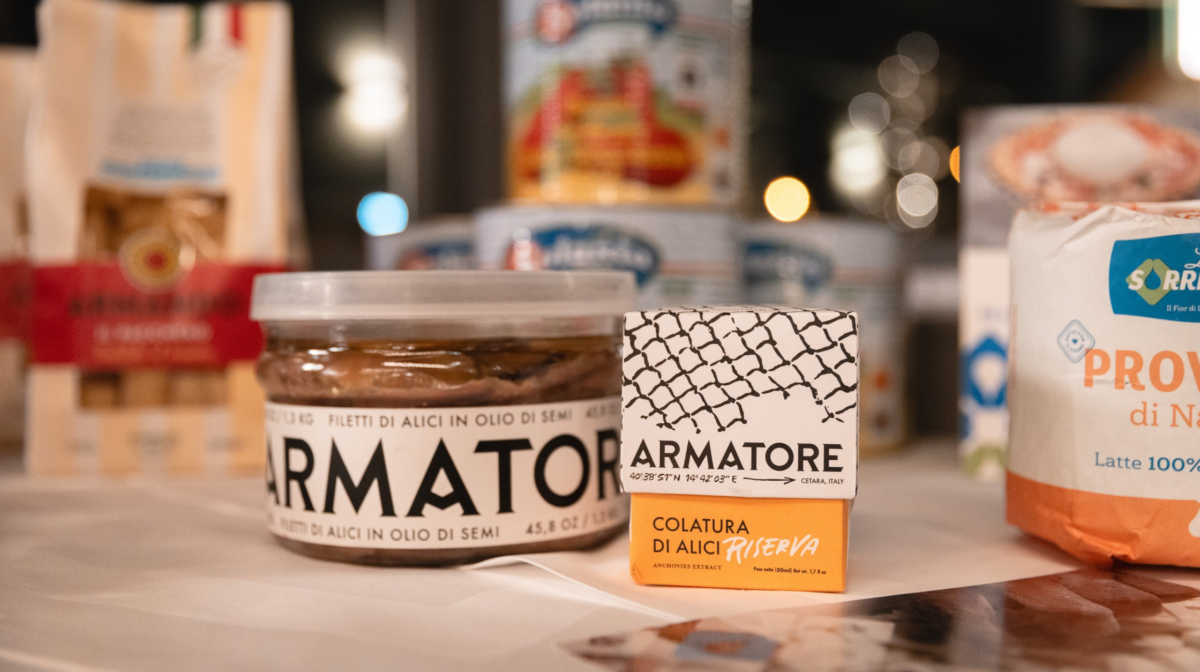
Armatore was born from a family story spanning four generations, rooted in Cetara, on the Amalfi Coast. Specialising in pelagic fishing since 1973, the company brings anchovies, anchovy colatura and premium Mediterranean bluefin tuna to markets around the world, preserving traditional know-how while exploring new gastronomic interpretations.
As a Food Sponsor of the Italian Cuisine Festival in Switzerland, Armatore will supply anchovies and anchovy colatura for the Festival’s events, showcasing two products that are emblematic of Cetara’s heritage and Campania’s gastronomic culture. Its participation highlights the connection between territory, production identity and fine dining, bringing to Swiss tables products that embody a long-standing tradition and the quality of artisanal craftsmanship. At the heart of this journey are a strong bond with the local area, careful attention to raw ingredients and respect for the sea and the people whose livelihoods depend on it. We discuss these values with Andrea Perotti, Export Manager at Armatore.
What does sustainable fishing mean to you?
“For us, it means respect above all: respect for the sea, its natural rhythms and the people who depend on it for their livelihoods. This responsibility begins at sea, through the use of purse seine nets, compliance with fishing seasons and catch quotas, and a focus on selectivity to limit bycatch and protect the seabed. Our commitment continues on land, through processing, waste reduction and the choice of packaging materials. But there is also a human dimension: in Cetara, fishing is a profession that brings generations together and sustains an entire community. Protecting the sea means ensuring that this story can continue, preserving the resources and knowledge that make it possible.”
Your family tradition means that, despite clearly defined roles within the company, you are constantly challenging yourselves and gaining new experiences. How does this versatility enrich both you and the business?
“It enriches us considerably because it allows us to share a common understanding of our products and the work behind them. Roles are important, but so is understanding what happens before and after your own area of responsibility: from fishing to processing, all the way to a restaurant kitchen or a meeting with an overseas distributor. In my role as Export Manager, this close connection is essential. When I present a product, I can talk about the people, the decisions and the territory behind it. At the same time, engaging with different markets and professionals gives us valuable insights that help us grow. This versatility creates a genuine exchange: it gives those representing the company abroad a deeper understanding of the business and brings new perspectives back into the organisation”.
Let’s turn to your participation in the Italian Cuisine Festival in Switzerland. How do you approach an event that aims to promote Made in Italy food culture beyond Italy’s borders?
“We are approaching the Festival with the desire to bring a piece of Cetara to Switzerland and introduce people to it through tasting and storytelling. Promoting Made in Italy abroad also means explaining what makes a product distinctive: its origin, how it is made, the time required to produce it and the gastronomic culture to which it belongs. Anchovy colatura is a good example: just a few drops embody a centuries-old tradition, yet they can also become an intriguing ingredient for those discovering it for the first time. Events like this allow us to bring producers, professionals and the public together directly. Lasting relationships can grow from that curiosity, often sparked by a dish”.
The Festival is built around close collaboration between chefs and pizza makers. How can this approach bring out the best in your products?
“Enormously so, because chefs and pizza makers work with different sensibilities and techniques, bringing out different nuances in the same raw ingredient. An anchovy can add depth to a sauce or take centre stage on a pizza; a few drops of anchovy colatura can complete a dish; bluefin tuna and bottarga can be interpreted in many different ways, depending on the combinations. For us as producers, this exchange is invaluable. We know our products from their origins through to their processing, while chefs and pizza makers explore their culinary potential. The Festival’s format allows the public to discover their versatility and gives us the opportunity to see them through the eyes of those who work with them. It is an exchange that inspires new ideas while preserving the distinctive identity of the raw ingredients”.